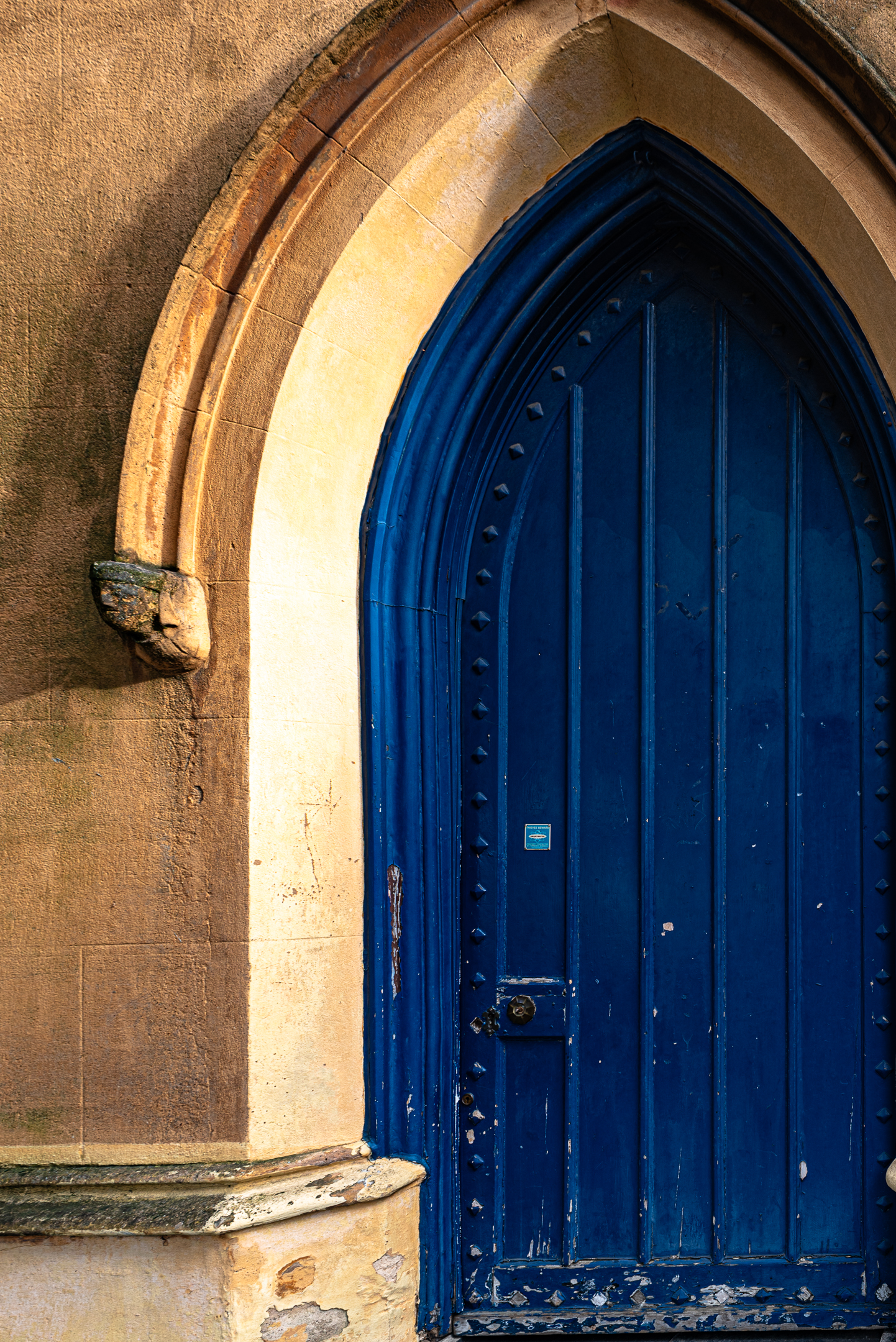
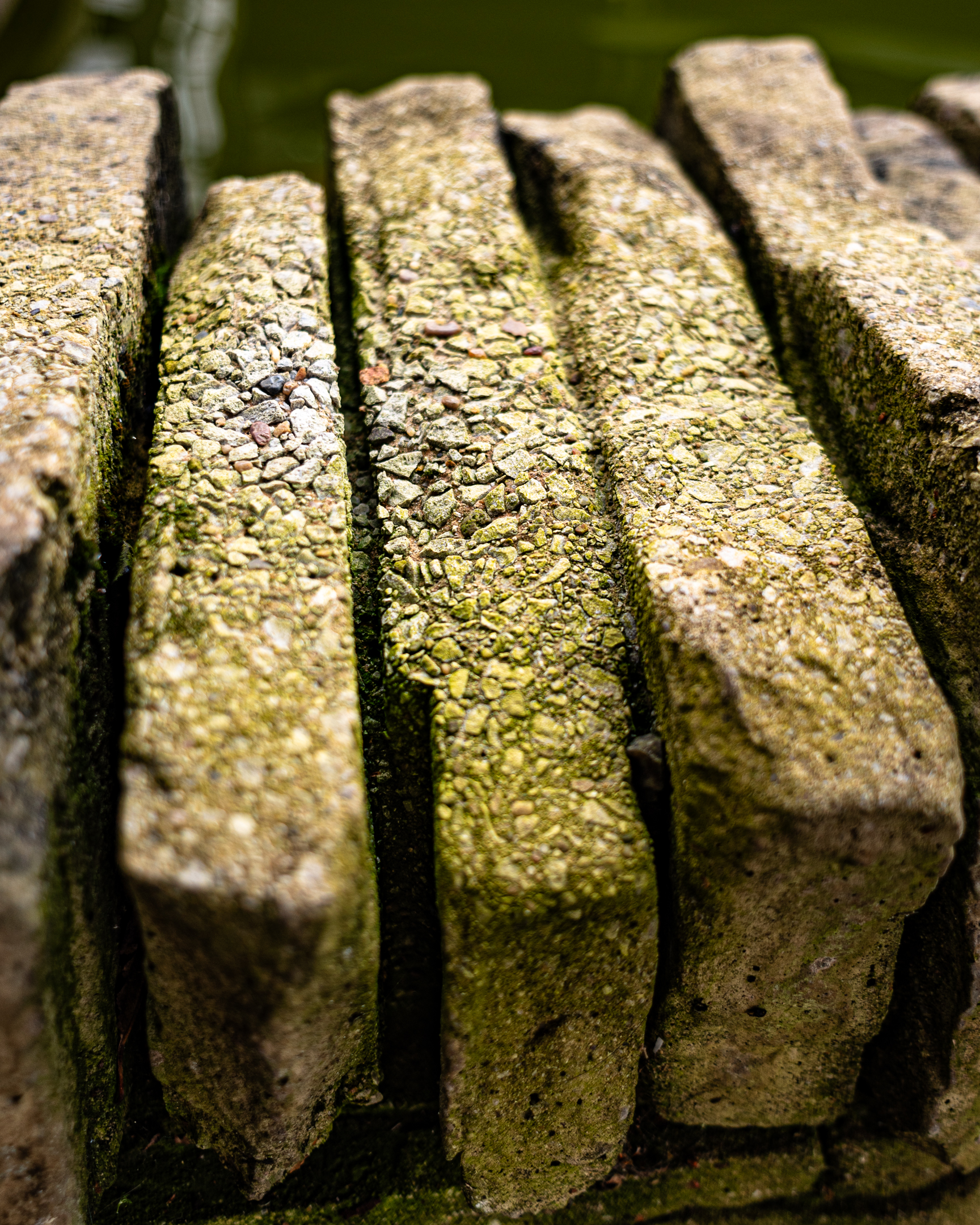
Legacy
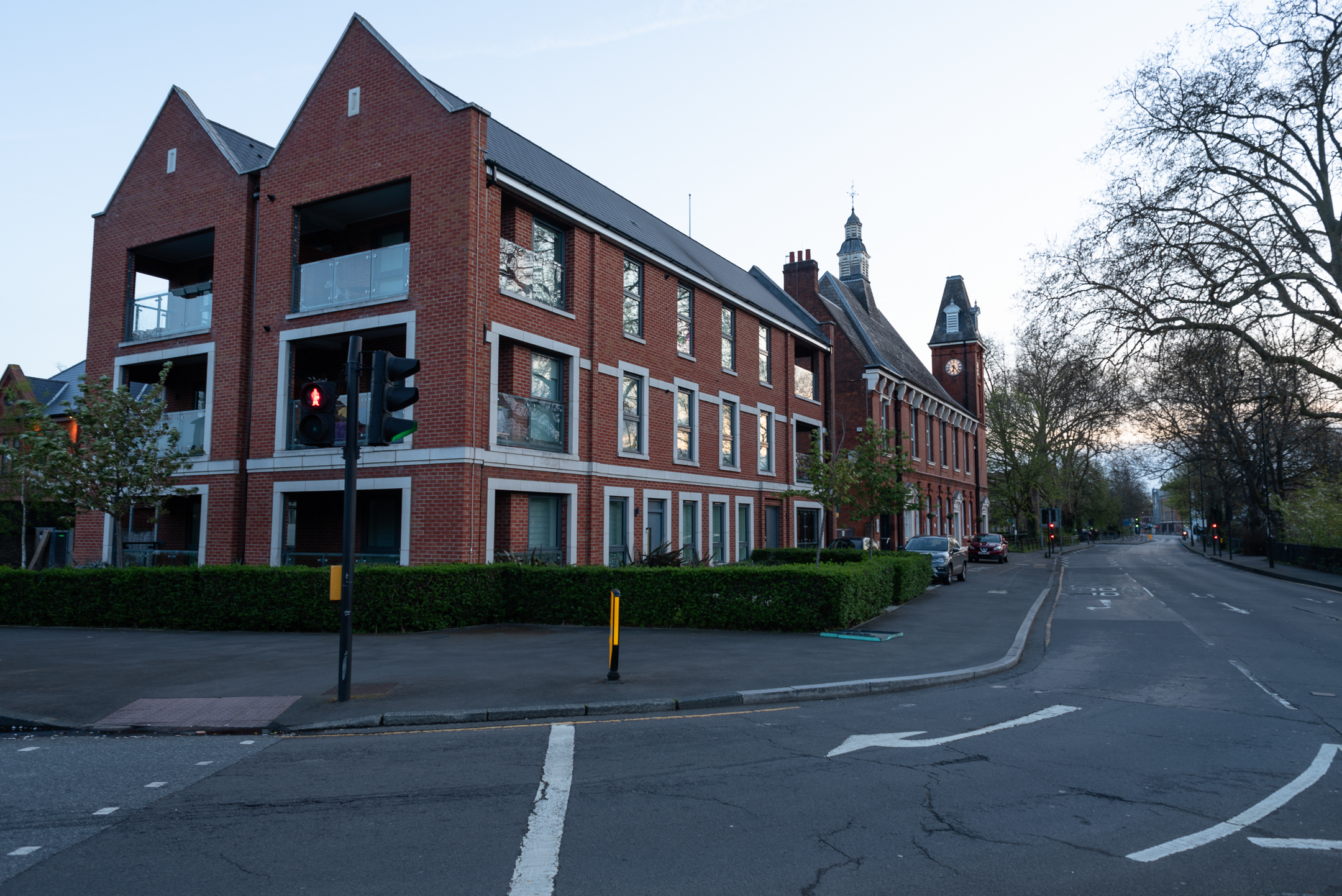
Mitcham, 2024
51.4025, -0.170528
Nikon d750, 24mm f2.8
I seem to take pictures of buildings, searching for certainty in their structures. These photographs explore architecture from a personal angle, connecting to my paternal grandfather’s journey through life.
There’s only one full picture of a building — but it’s the wrong one. The Cricketers Public House, where my grandfather laid bricks, was demolished to make way for another building. The structure he built is gone, replaced by something else, another certainty—but not his.
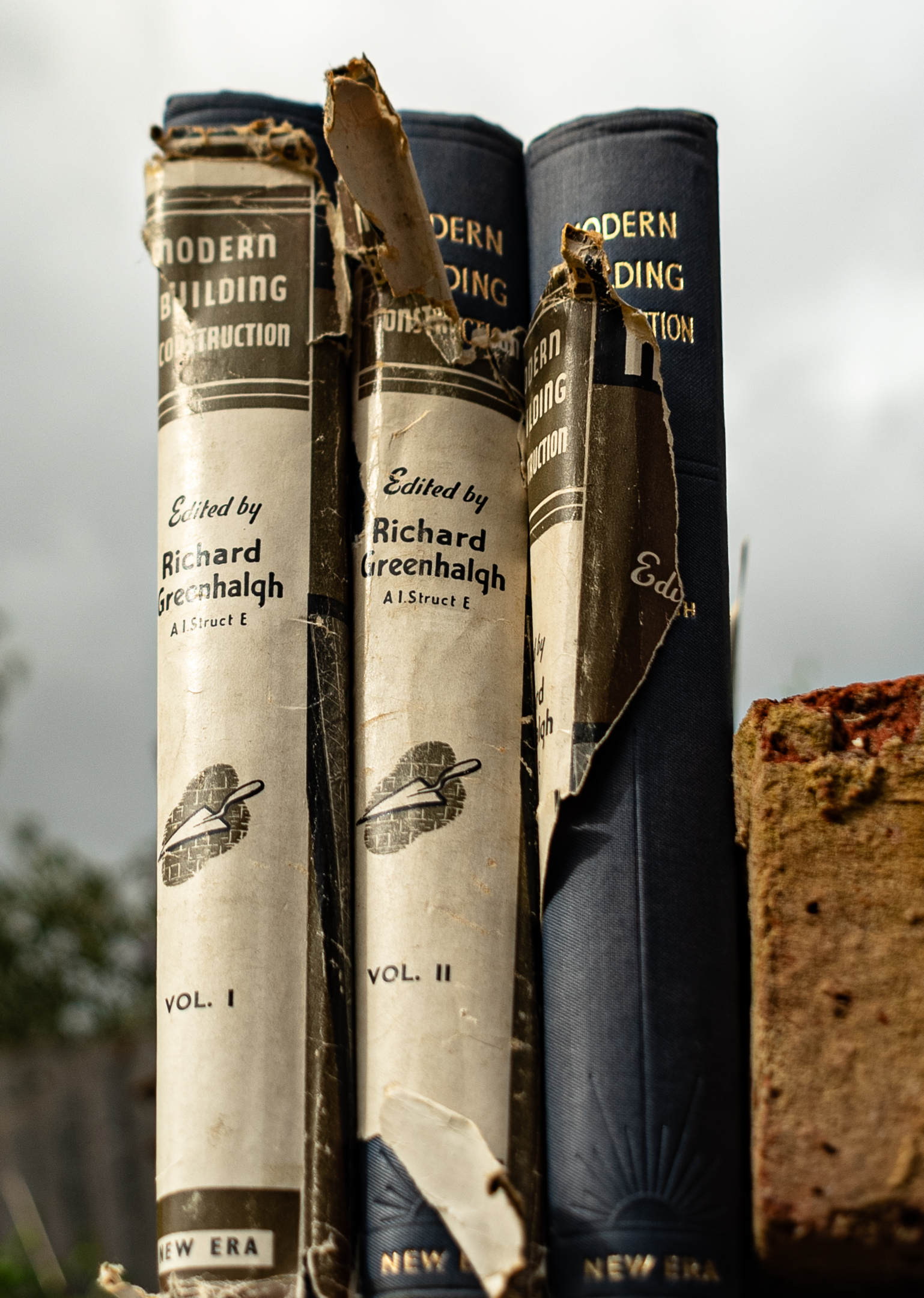
Architectural photographs often focus on perfection — corrected angles, clinical precision. Joseph Rosa noted that something is lost in the split between subject-matter and representation, which resonated with me. My grandfather was a bricklayer. I wanted to represent him through buildings and the rough materials of his trade.
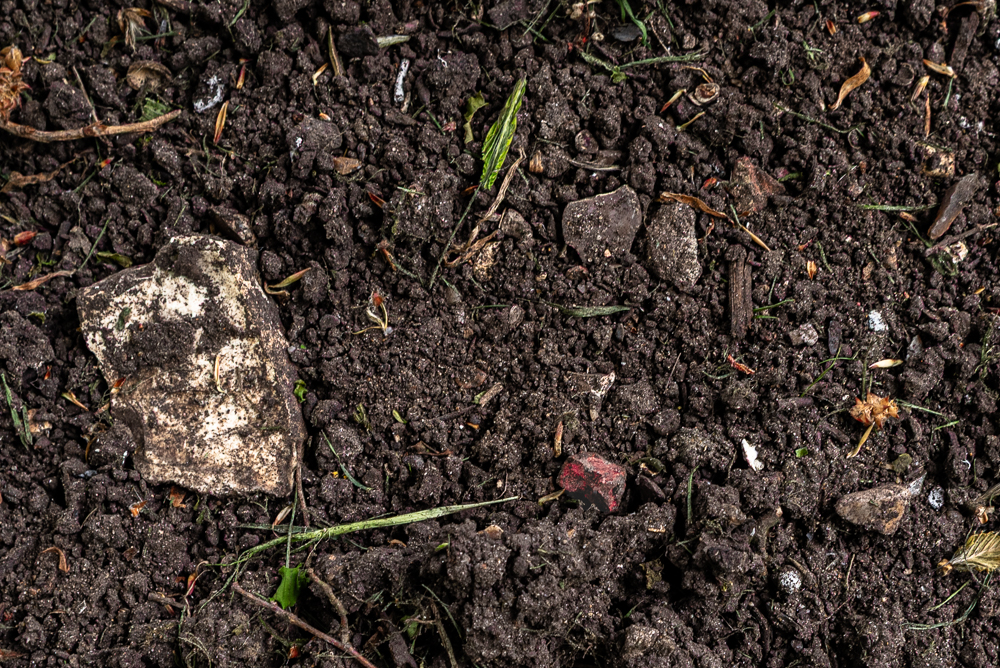
My grandfather’s name isn’t tied to the bricks he laid. He has no grave, unlike his grandfather. His ashes were scattered in a remembrance garden, and his location is unknown. I found a piece of red brick buried in the dirt and cried.
He was injured in the war. A piece of shrapnel embedded in his stomach stayed with him. A keepsake of sorts. A private man, he shared that story with very few. I only learned it long after his death, researching my family tree — trying to understand who I was. Who my newborn child might be. Who we all are.
In part, we are all children of the poorly documented. The unspoken. The unspeaking. And the wounded.
Bibliography
Rosa, J. (1998) ‘Architectural photography and the construction of modern architecture’, History of Photography, 22(2), pp. 99-104. DOI: 10.1080/03087298.1998.10443865.