

Deep Mapping
Lea Valley the Anthropocene and Liminality
Lea Valley, October to November, 2024
Nikon D780, Google Pixel 7 Pro, Polaroid P-Cam Silver Instant, Halina Micro 110, Phytograms
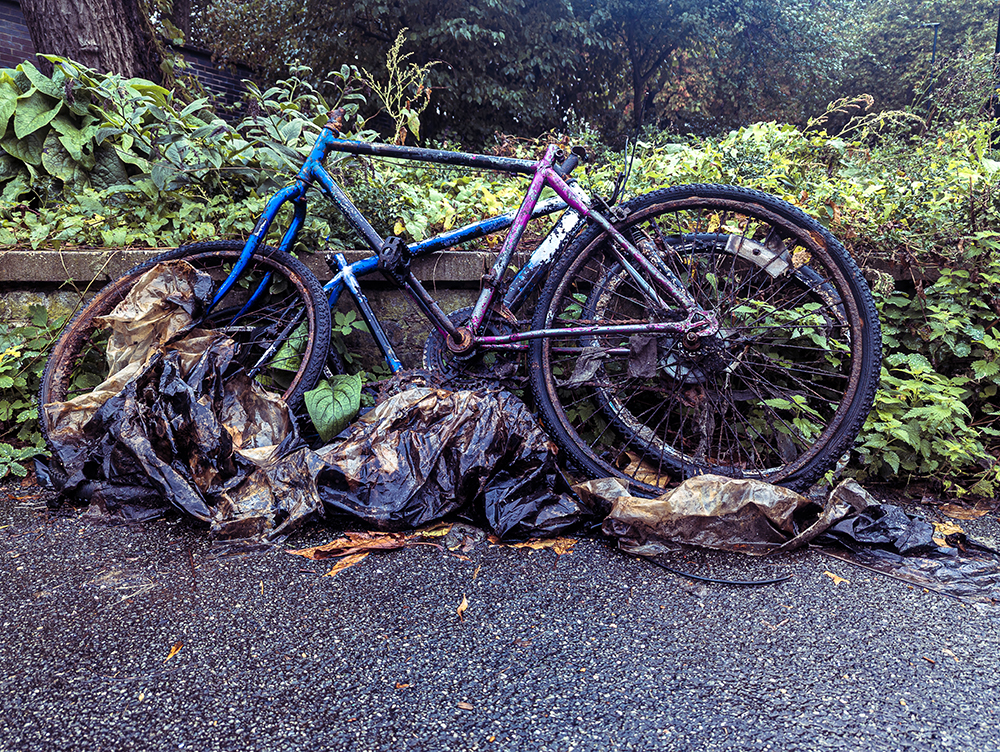
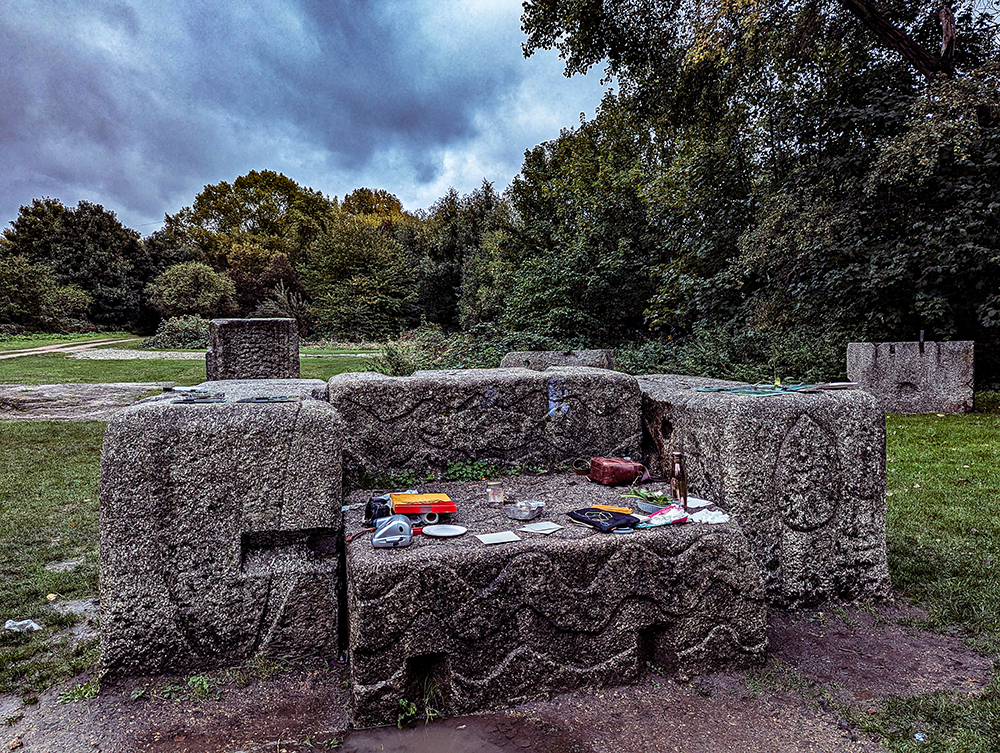
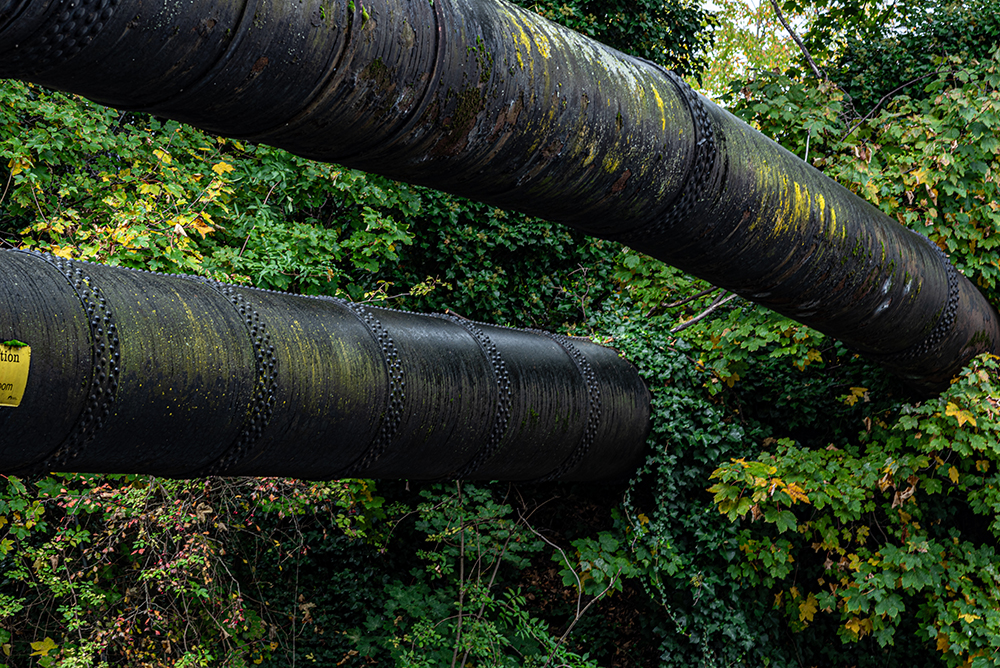
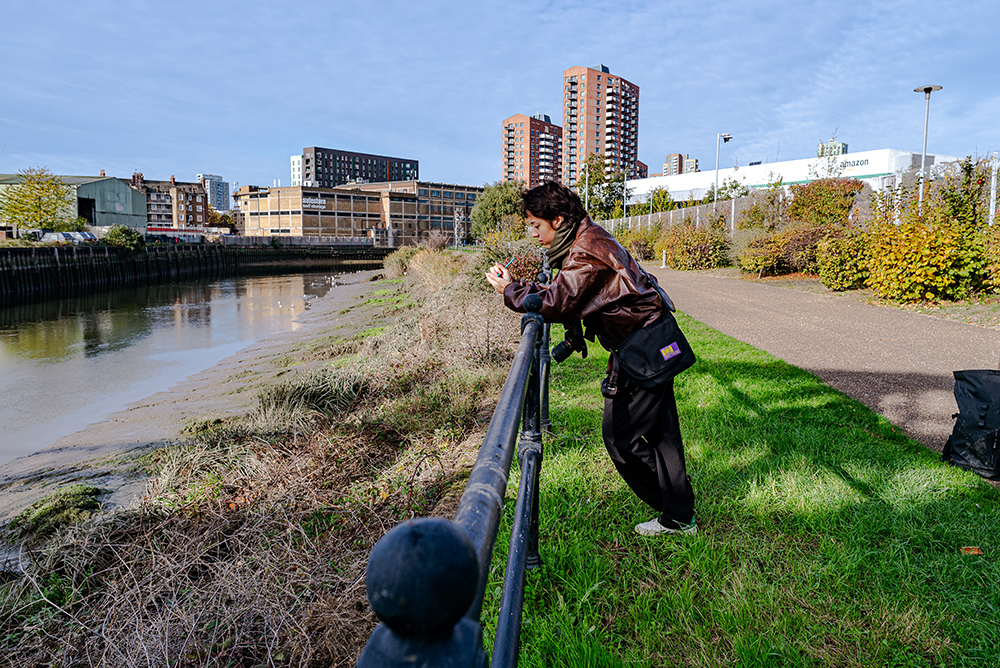
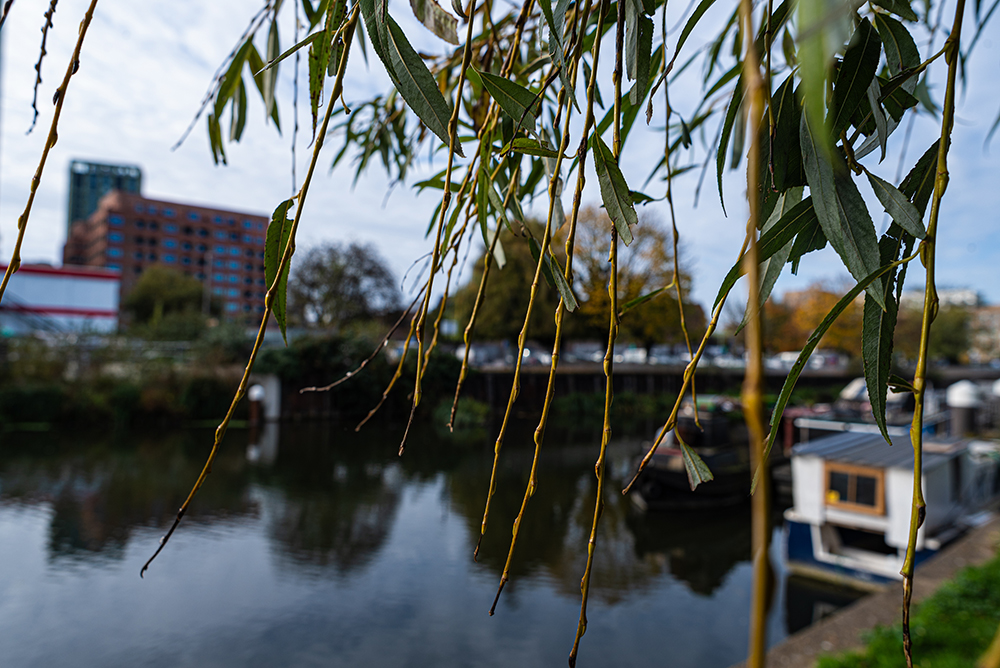
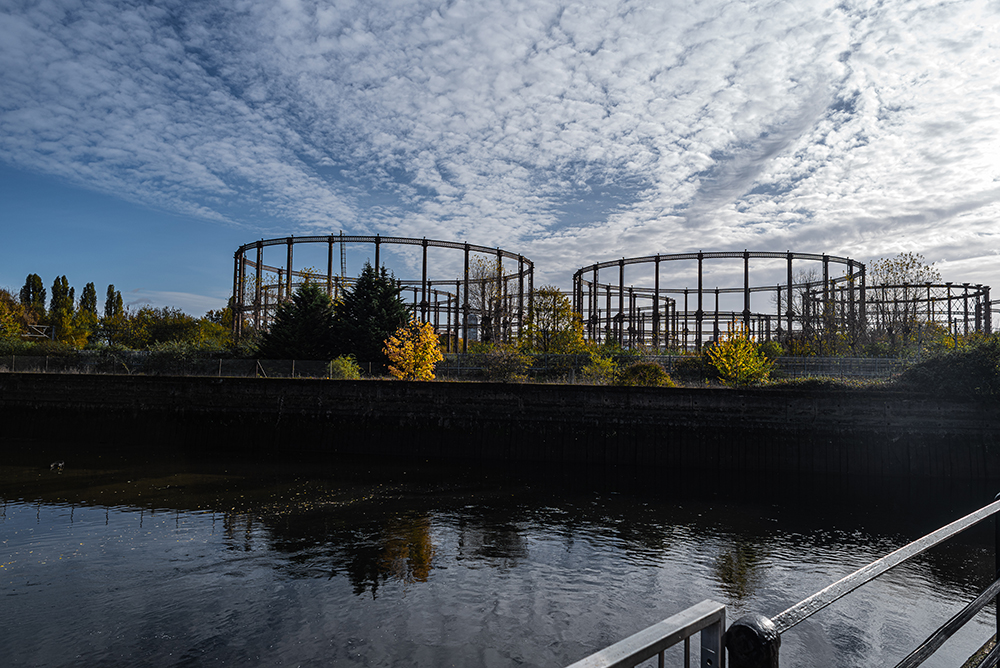
This project explored the Lea Valley's landscape through photography, engaging with deep mapping, liminality, and the Anthropocene. These concepts serve as both lens and method, with each medium chosen as a reflective site.
For deep mapping, I referenced Brett Bloom and Nuno Sacramento’s Deep Mapping and Shannon Butts and Madison Jones’ Deep Mapping for Environmental Communication Design, guided by their quote: "Deep maps acknowledge the local and also the historical—seeking out voices that have been obscured or silenced." This prompted me to consider the landscape itself as a voice, asking if photography can open a space for questioning, as suggested by W.J.T. Mitchell in What Do Pictures Want?
In exploring liminality, I drew on Irene Naudé and Elfriede Dreyer’s article on photography as a transformative act and Ella S. Mills’s poem, which describes liminality as “transformation, tension, and the unknown.”
For the Anthropocene, I turned to Crutzen and Stoermer’s 2000 paper, defining it as an age where humanity reshapes its environment.
Each medium in this project reflects these concerns. Polaroids endure in landfills, while the Halina 110 uses no batteries but relies on film. The DSLR and Pixel are products of heavy industry, while the phytogram process, slow and elemental, produced the fewest images—perhaps the most natural. Each image carries its own residue.
Edited extract from Deep Mapping Lea Valley the Anthropocene and Liminality Photo-Book
Bibliography
Click to expand sources
Bloom, B. and Sacramento, N., 2017. Deep Mapping. Auburn, IN: Breakdown Break Down Press.
Butts, S. & Jones, M., 2021. Deep mapping for environmental communication design. Communication Design Quarterly Review, 9(1), pp. 4–19. [Online] Available at: https://doi.org/10.1080/03087298.2021.1857480 [Accessed 12 Apr. 2025].
Crutzen, P.J. and Stoermer, E.F., 2021. The ‘Anthropocene’ (2000). In: S. Benner, G. Lax, P.J. Crutzen, U. Pöschl, J. Lelieveld and H.G. Brauch, eds. Paul J. Crutzen and the Anthropocene: A New Epoch in Earth’s History. The Anthropocene: Politik—Economics—Society—Science, vol. 1. Cham: Springer, pp. 19–21. Available at: https://doi.org/10.1007/978-3-030-82202-6_2 [Accessed 12 Apr. 2025].
Mills, E. S., 2021. ‘On Those Shores But in These Shoes’. Mousse Magazine. Available at: https://www.moussemagazine.it/magazine/shores-shoes-ingrid-pollard/ [Accessed: 21 Nov. 2024].
Mitchell, W.J.T., 2005. What Do Pictures Want? The Lives and Loves of Images. Chicago: University of Chicago Press.
Naudé, I. and Dreyer, E., 2015. Liminality in the transformation of light during the process of photography. De Arte, 50(91), pp. 76–88. DOI: 10.1080/00043389.2015.11877215.