The Graves of the Leinstermen
County Tipperary
52.847, -8.393Nikon d750, 24mm f2.8
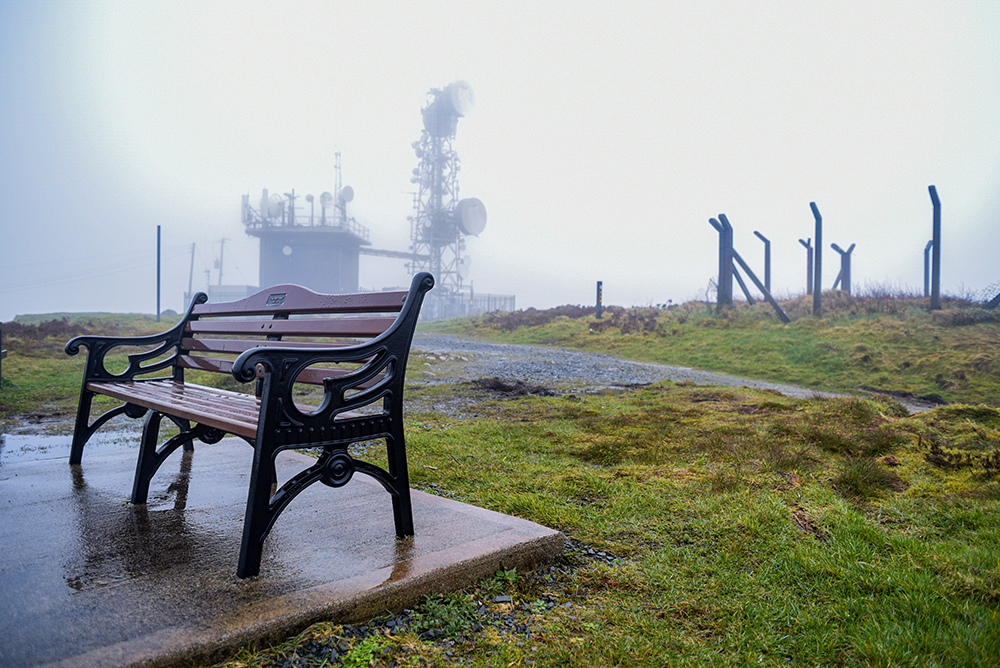
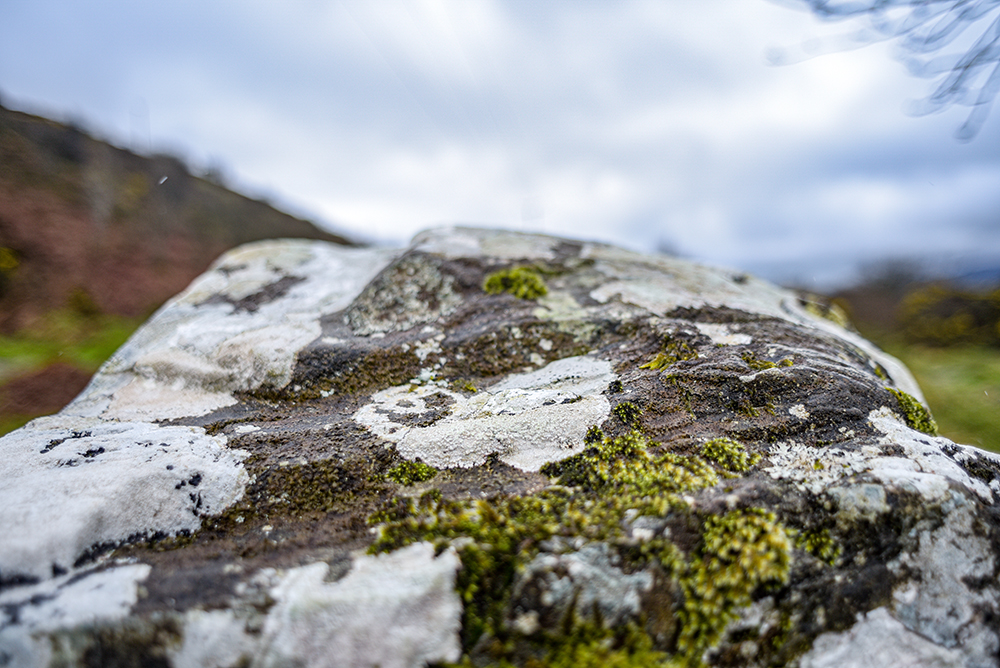
Nestled on a hillside overlooking Lough Derg and the Shannon, steeped in myth, lies an ancient burial site. We were in Ireland, visiting my wife’s parents in Tipperary, the heart of Charles Kickham’s Knocknagow. On a wet, cloudy morning, we drove the 35 kilometres to the Arra Mountains, to The Graves of the Leinstermen. My mother-in-law’s words still echo: "Ye must be mad." It was just after Easter, and I hoped for some resurrection—a long-dead soul to offer us wisdom or truth in exchange for ours.
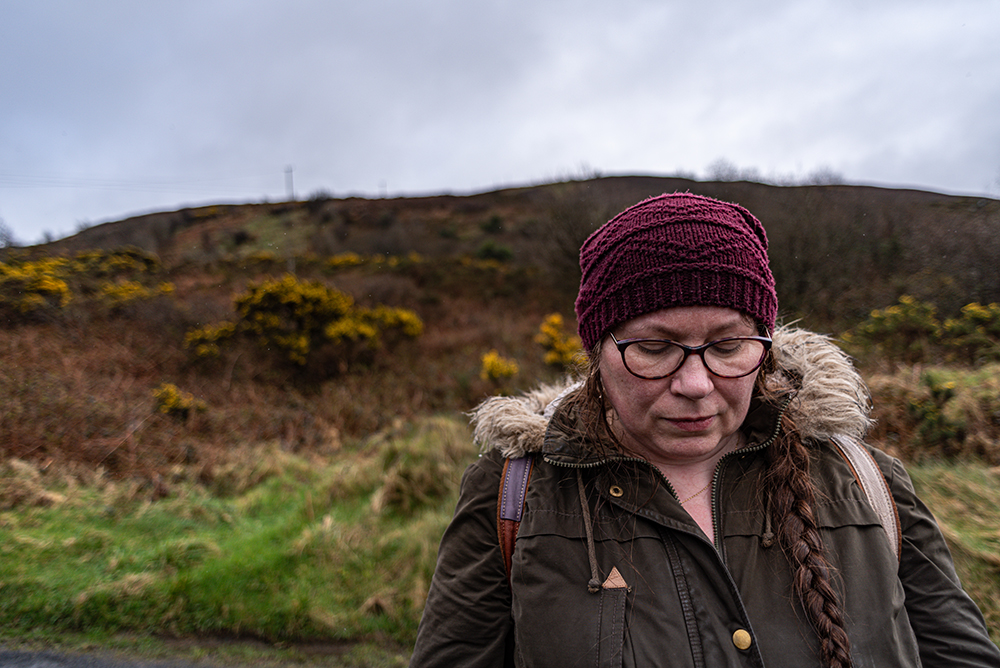
My wife, a second-generation immigrant, has a complicated relationship with Ireland. Born in Peckham, she often feels caught between worlds, especially during extended family gatherings. I, the outsider, wear the "blow-in" label lightly, knowing my place. When we die, we hope our ashes will rest in both the Shannon and the Thames, in the hope that death will make sense of life.
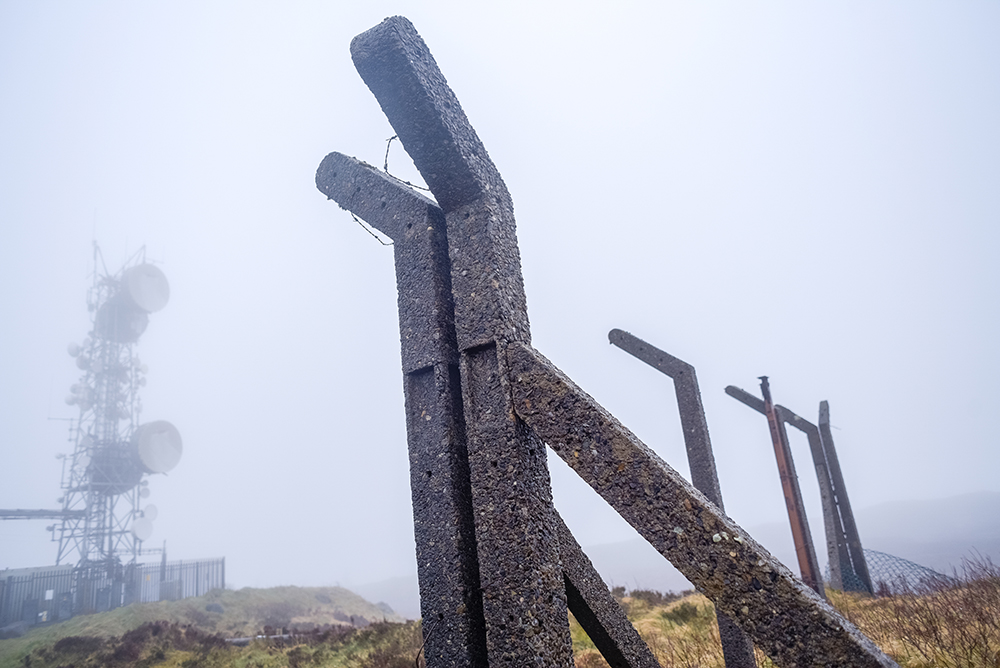
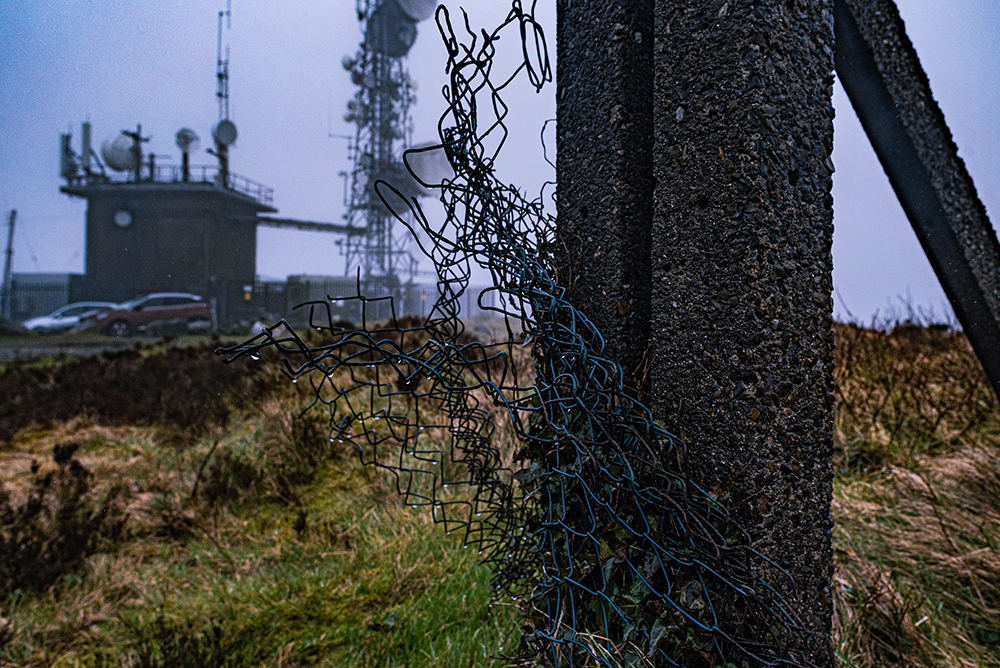
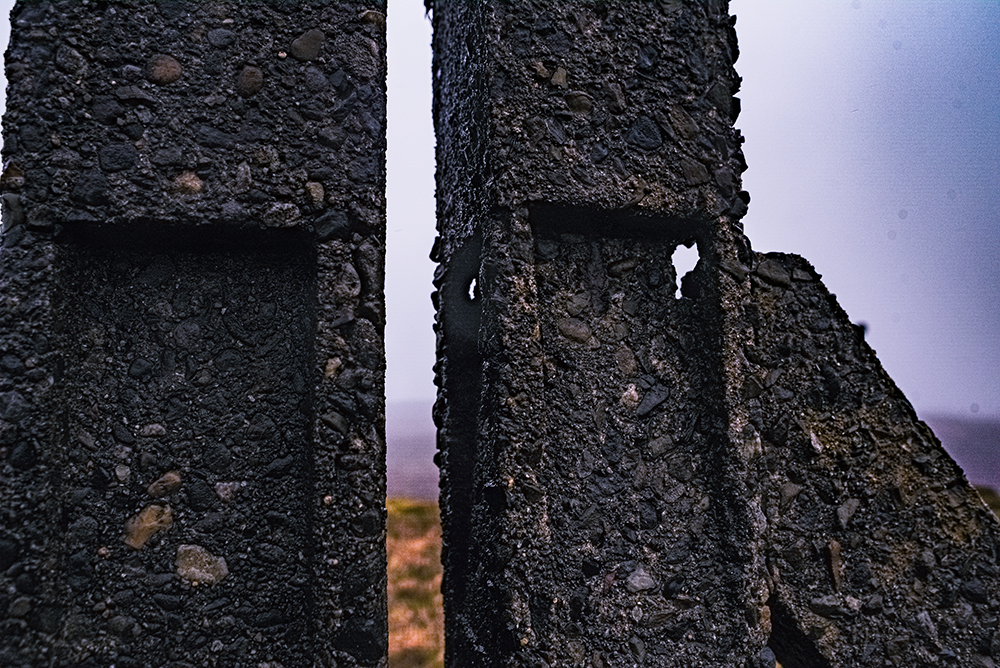
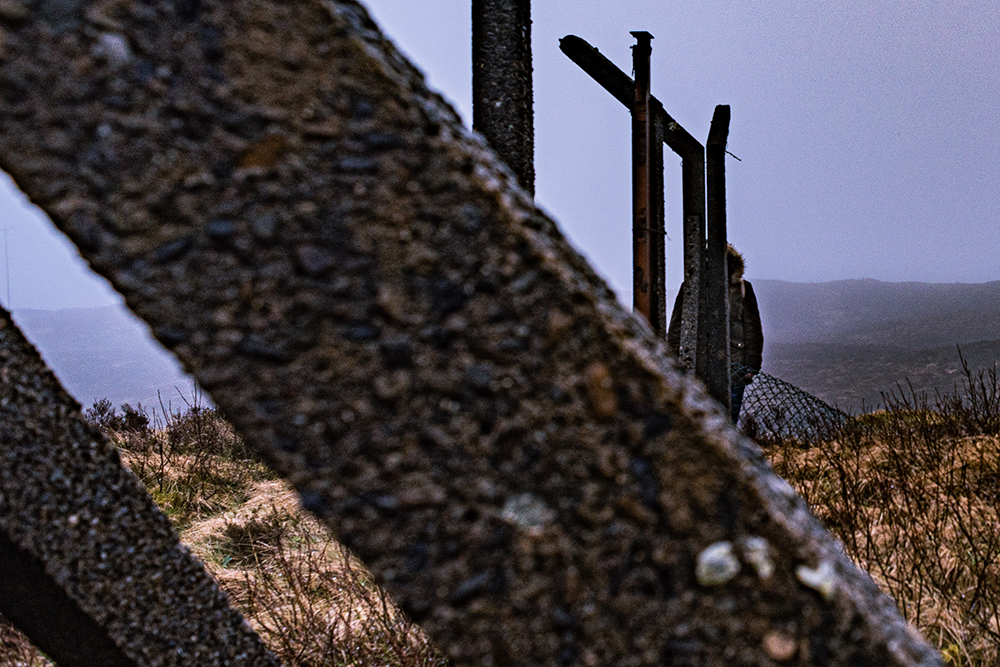
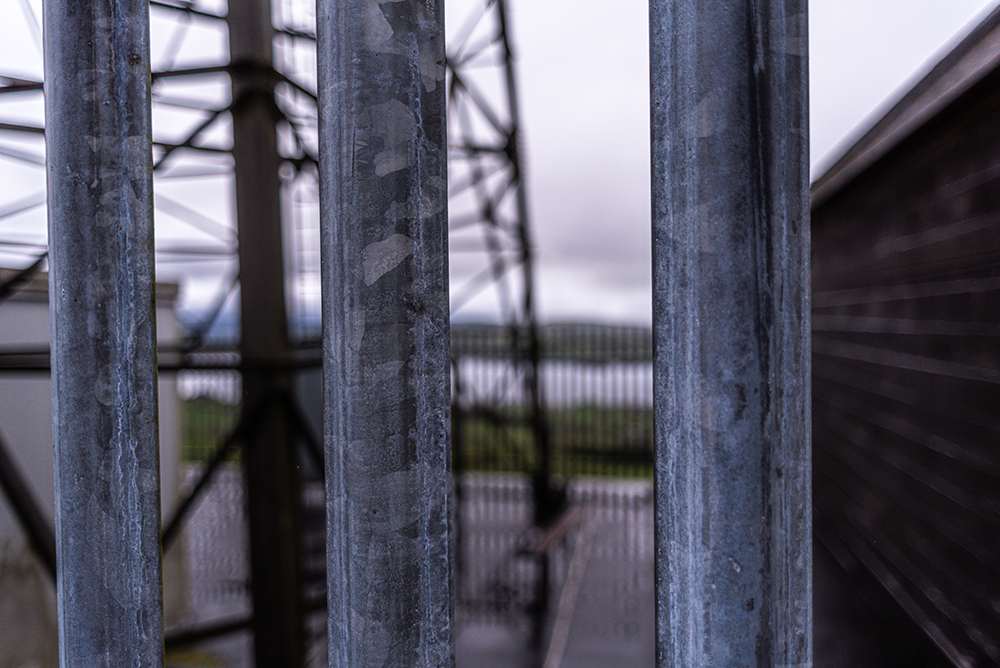
The history of the site is shrouded in mystery. Some say it marks where Brian Boru killed a group of Leinstermen who crossed his land. Though little is revealed in our walk, atop Tountinna, we encounter a telecommunications structure, a metal skeleton standing amidst the ancient echoes, bridging past and present. The concrete fence posts stand as grave markers of their own accord.
Bibliography
Geraghty, Siobhán, et al. “The Graves of the Leinstermen.” Archaeology Ireland, vol. 35, no. 2, 2021, pp. 36–41. JSTOR, https://www.jstor.org/stable/27075218. Accessed 6 Feb. 2025.